
The Role of Climate in Successful Paint Jobs
When it comes to painting the outside of a building, weather is more important than you might think. Understanding how various weather conditions impact paint application can make a big difference in the longevity and appearance of your project. Bad weather can ruin paint jobs, leading to bubbling, peeling, or uneven finishes. This article will explore why considering the weather is crucial for anyone planning an exterior painting job.
Understanding Temperature’s Impact on Paint
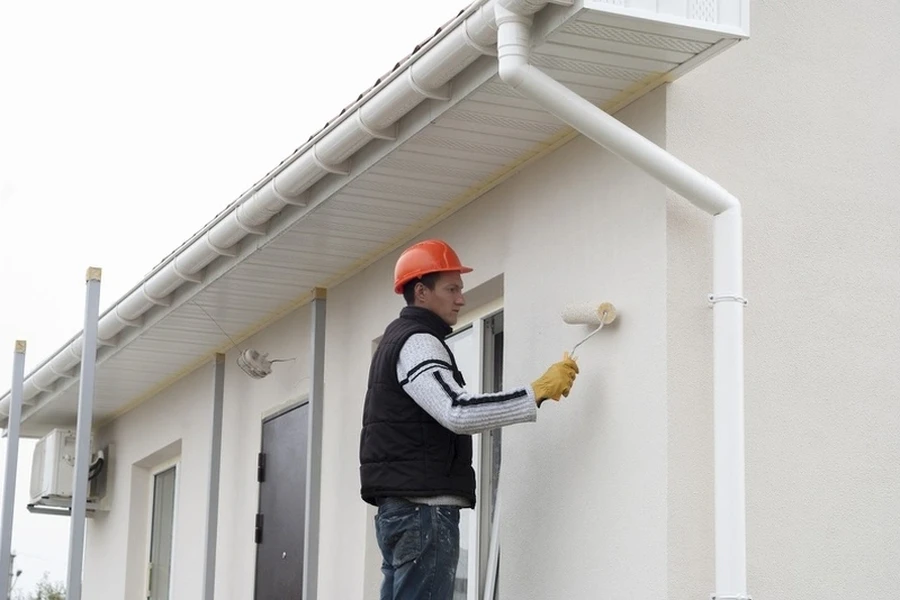
Temperature plays a key role in the success of painting projects. Paint needs specific temperatures to bond properly with surfaces. If it’s too cold, paint may not dry evenly, while extreme heat can cause paint to dry too quickly, leading to cracks. For instance, most paints perform best within a range of 50°F to 85°F. Always check the paint can for temperature guidelines to ensure a long-lasting finish.
Humidity: A Hidden Factor
Humidity can also affect exterior painting services. High humidity levels slow down drying time. This increases the risk of dust and debris sticking to fresh paint, which can mar its appearance. On the other hand, low humidity can speed up drying times excessively, making it hard to apply paint smoothly. Aim for moderate humidity levels to achieve a professional-looking result.
Wind and Its Effects on Painting Projects
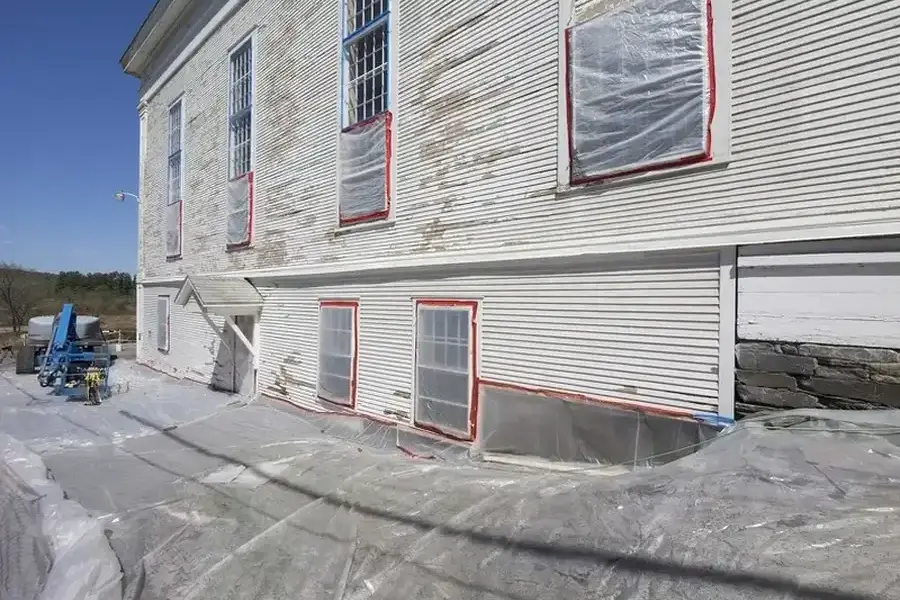
Windy days are not ideal for exterior painting services. Wind can blow dirt and debris onto wet paint, causing imperfections. It can also lead to uneven application if the paint dries quicker on one side than the other. Therefore, checking the weather forecast for calm days is always a wise move when planning your painting schedule.
Rain: the Ultimate Spoiler
Rain is perhaps the most obvious enemy of outdoor painting tasks. Wet surfaces do not allow paint to adhere properly, resulting in streaks or spots. It’s important to plan your projects around dry spells and avoid painting before or after rain showers. Professional painters will often wait at least 24 hours after rain to ensure surfaces are completely dry.
Preparing Your Home for Weather Conditions
- Monitor weather forecasts regularly
- Choose high-quality, weather-resistant paints
- Plan projects during favorable seasons such as spring or fall
Best Practices for Dealing With Unpredictable Weather
You can’t control the weather, but you can prepare for it. Keep tarps handy to cover freshly painted areas if unexpected weather changes occur. Applying primer beforehand helps create a protective layer against minor weather changes. Finally, consider using additives that improve paint performance under suboptimal conditions.
Costs Associated With Weather-Related Delays
Weather-related delays can increase project costs due to wasted materials and extended labor hours. To minimize these expenses, it’s advisable to factor potential delays into your budget from the start. Additionally, investing in quality equipment like moisture meters can help you determine when conditions are perfect for painting.
Your Key Takeaways for Exterior Painting Success
For a lasting and attractive exterior paint job, consider all factors related to weather. With adequate preparation and attention to detail, you can overcome environmental challenges. For expert assistance with your painting needs, contact me today at (540) 234-7908. Based in Fredericksburg, VA, I provide top-tier service through AAC Painting LLC.